Attractions

Wat Phnom
Wat Phnom is a historic Buddhist temple located on a small hill in the heart of Phnom Penh, Cambodia. Built in 1372, it is the tallest religious structure in the city and holds great cultural and spiritual significance. According to legend, the temple was founded after Lady Penh discovered four Buddha statues inside a tree floating on the river. Today, Wat Phnom is a popular site for both locals and tourists, offering a peaceful atmosphere, traditional architecture, and scenic views of the surrounding city.
Read More
- Opening Hours: Daily
- Recommended Time: 08:00 - 17:00
- Est. Distance: 1.7 km | 6-minute drive

National Museum
The National Museum of Cambodia, located in Phnom Penh near the Royal Palace, is the country’s premier institution for preserving and showcasing Khmer cultural heritage. Established in 1920, the museum houses over 14,000 artifacts spanning prehistoric times to the post-Angkorian period, including sculptures, ceramics, and ethnographic objects. Its architecture, inspired by traditional Khmer temple designs, provides a fitting backdrop for the extensive collection.
Read More
- Opening Hours: Daily (08:00 - 16:30)
- Recommended Time: N/A
- Est. Distance: 3.2 km | 12-minute drive
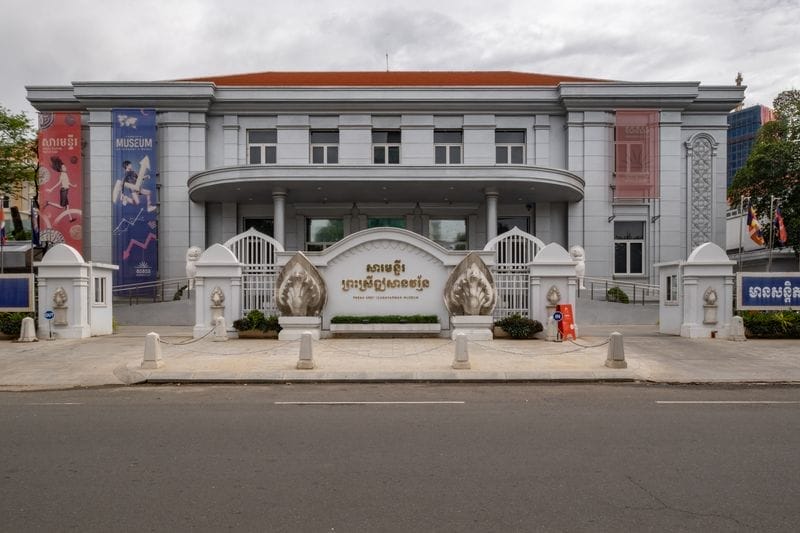
Sosoro Museum
The SOSORO Museum, officially known as the Preah Srey Içanavarman Museum of Economy and Money, offers a captivating journey through Cambodia’s history—told through the lens of currency and its influence on the nation’s society and politics over time. Housed in a historic building that once served as the town hall in 1908 and later the Phnom Penh Municipality in 1920, the site has been home to the SOSORO Museum since 2012.
Make sure to include the SOSORO Museum on your next visit to Phnom Penh—it’s an experience you won’t want to miss!
Read More
- Opening Hours: Tue - Sun (09:00 - 17:00)
- Recommended Time: N/A
- Est. Distance: 2 km | 7-minute drive
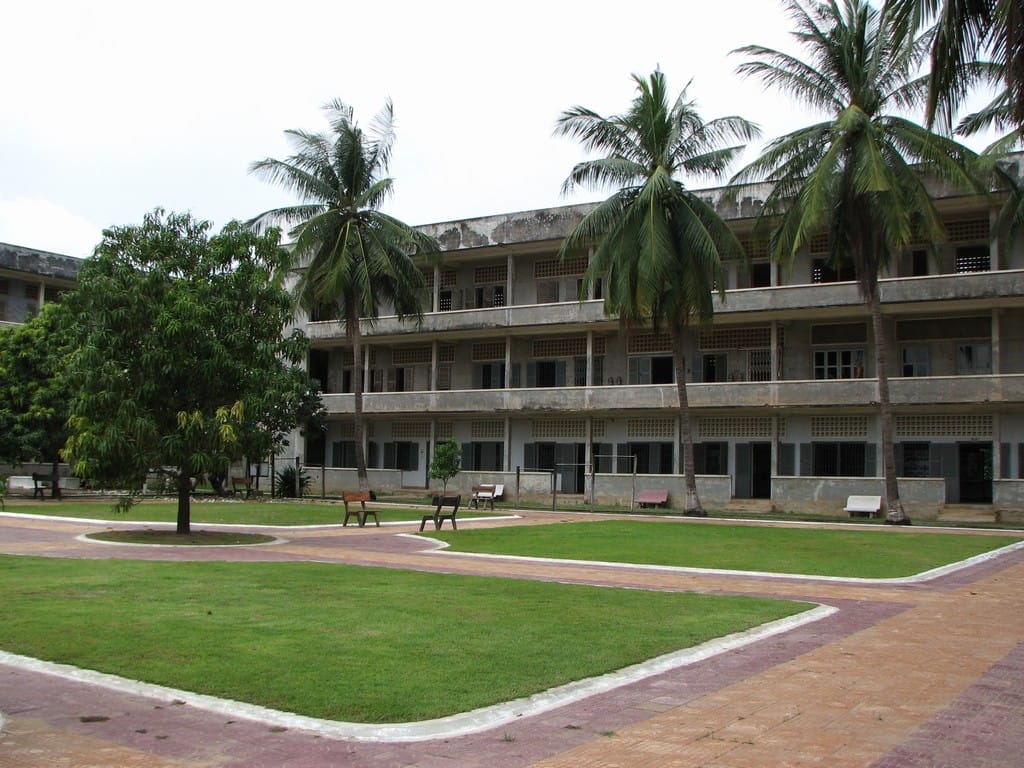
Genocide Museum (S-21)
Tuol Sleng Genocide Museum in Phnom Penh was once a high school turned into a prison (S-21) by the Khmer Rouge. It’s now a memorial and museum documenting the atrocities committed during their regime.
Read More
- Open: Daily 08:00 - 17:00
- Recommended Time: N/A
- Est. Distance: 4.4 km | 20-minute drive

The Killing Fields (Choeung Ek)
The Killing Fields, particularly Choeung Ek near Phnom Penh, are memorial sites where the Khmer Rouge executed and buried thousands during their regime. Today, Choeung Ek features a stupa with over 5,000 skulls and mass graves, serving as a reminder of Cambodia’s tragic history.
Read More
- Open: Daily 08:00 - 17:00
- Recommended Time: N/A
- Est. Distance: 15 km | 45-minute drive

Bassac Lane
Located in the Tonle Bassac area, Bassac Lane has transformed from a quiet residential street into a bustling hub of activity. Established around 2010, this hidden laneway off Street 308 features an array of boutique cocktail bars, restaurants, and live music venues. It’s a popular destination for both locals and tourists seeking a lively atmosphere and culinary options.
Read More
- Opening Hours: Daily (17:00 - 23:00)
- Recommended Time: N/A
- Est. Distance: 4.5 km | 20-minute drive
Langka Lane
Langka Lane is a vibrant and emerging hotspot in Phnom Penh’s Boeung Keng Kang 1 (BKK1) district, situated near the iconic Wat Langka and Independence Monument. This charming alleyway has rapidly gained popularity for its eclectic mix of trendy restaurants, cozy bars, and boutique businesses, making it a must-visit destination for both locals and tourists seeking a unique culinary and cultural experience.
Read More
- Open Hours: Daily (17:00 - 23:00)
- Recommended Time: N/A
- Est. Distance: 4.5 km | 20-minute drive

Walk Street
Phnom Penh has recently unveiled its latest urban attraction, Walk Street, a vibrant pedestrian zone along the scenic Sisowath Quay. Launched in February 2025, this initiative transforms a significant stretch of the riverside into a lively hub of culture, entertainment, and community engagement.
It is more than just a pedestrian zone; it’s a celebration of Phnom Penh’s rich cultural heritage and a testament to the city’s commitment to sustainable urban development. Whether you’re a local resident or a tourist, this riverside promenade offers a unique and enriching experience that captures the essence of Cambodia’s capital.
Read More
- Opening Hours: Saturday & Sunday
- Recommended Time: 17:00 - 23:00
- Est. Distance: 4.5 km | 20-minute drive
Central Market
Central Market, or Phsar Thmei, is a famous Art Deco landmark in Phnom Penh. Built in 1937, it features a large dome and four wings filled with stalls selling jewelry, clothes, electronics, and food.
Read More
- Opening Hours: Daily
- Recommended Time: 09:00 - 16:00
- Est. Distance: 4.5 km | 20-minute drive
Russian Market (Psar Tuol Tom Pong)
The Russian Market, locally known as Psar Tuol Tom Pong, is one of Phnom Penh’s most vibrant and culturally rich marketplaces. Located in the Chamkar Mon district, this bustling bazaar offers a unique shopping experience that reflects the city’s diverse heritage.
Read More
- Opening Hours: Daily
- Recommended Time: 09:00 - 16:00
- Est. Distance: 5.4 km | 25-minute drive
Exciting Phnom Penh Stay
Book your Phnom Penh stay today with Smile Boutique Hotel by EHM and step into the world of comfort.
Priceless Stay Guaranteed
Reserve your accommodation at the Smile Boutique Hotel by EHM today and prepare for an unforgettable stay.
Our Location
#05 Preah Botum Soriyavong St. (75), Phnom Penh City, Kingdom of Cambodia. +855 69 555 748 / 85 555 748
Explore
Stay Connected
- +855 69 555 748 | +855 85 555 748
- booking@ppsmileboutiquehotel.com
© 2026 – Smile Boutique Hotel by EHM
All Rights Reserved